
Computing
Share this page

Intent
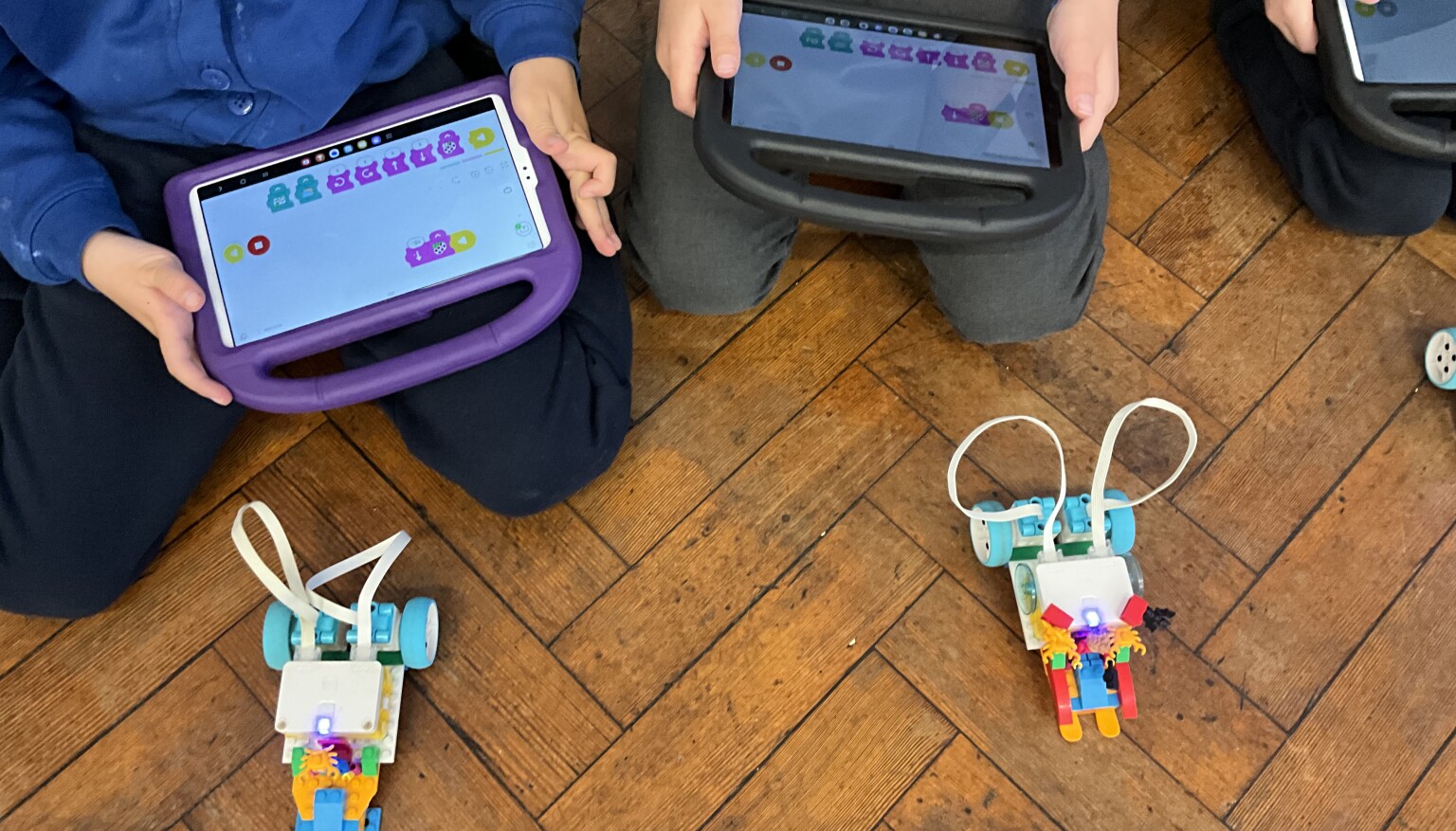
At Rockcliffe First School, we recognise that technology plays an essential role in everyday life and will continue to shape the future of our children. We believe that all pupils should develop the computational confidence, knowledge and digital literacy needed to thrive in the currnet digital world. Our computing curriculum is designed tthe three key strands of Computing: Computer Science, Information Technology and Digital Literacy. We aim for children to develop an understanding of how digital systems work, how to create and debug programs, and how technology can be used purposefully to communicate, collaborate and express ideas creatively for different audiences and purposes. We want pupils to become independent learners who can think logically, solve problems and apply computational thinking across the wider curriculum. Along with our PSHE curriculum, there is a strong focus on online safety and digital citizenship. We teach children to use technology safely, respectfully and responsibly, equipping them with the knowledge and understanding needed to make informed choices online and to recognise how to keep themselves and others safe.
Implementation
At Rockcliffe First School, Computing is taught through unit which allow children to develop depth in their knowledge and skills over the duration of each topic. Teachers use the North Tyneside Computing Planning scheme, published by Teach ICT NT, alongside the National Curriculum and the school’s progression documents to plan and deliver lessons. The curriculum is carefully sequenced to ensure progression in knowledge, skills and vocabulary from Early Years to Year 4. Learning builds upon prior knowledge and provides regular opportunities for retrieval practice to support pupils in remembering and applying previously taught concepts. Subject-specific vocabulary is explicitly taught and revisited to help pupils develop confidence when discussing computing concepts and processes.
Teaching tasks are planned within engaging and meaningful contexts to help pupils understand the real-world relevance of Computing. Lessons provide opportunities for creativity, collaboration, independent thinking and resilience. Children are encouraged to explore, investigate and learn from mistakes through debugging and evaluation activities.
Online safety is taught explicitly through dedicated lessons and is embedded throughout the wider curriculum. Children are taught how to navigate the online world safely and responsibly, recognise potential risks and know how and where to seek support if needed.
Technolog is used purposefully across the wider curriculum to enhance learning opportunities. Pupils have regular access to a range of digital devices, including Chromebooks and iPads, which support both discrete Computing lessons and wider curriculum learning. Children use a variety of software and applications.
Impact
The impact of our Computing curriculum is that children leave Rockcliffe First School as confident, safe and responsible users of technology who are prepared for the next stage of their education and life in a digital world. Pupils develop secure knowledge and skills across Computer Science, Information Technology and Digital Literacy. They become increasingly confident in applying computational thinking skills such as logical reasoning, problem-solving, debugging and evaluation. Children understand how to use technology safely and responsibly, recognising both the benefits and potential risks associated with the online world. They know how to protect themselves and others and demonstrate positive behaviours as digital citizens. As pupils progress through school, they become more independent in their use of technology and are able to select appropriate digital tools to create, communicate, collaborate and present their learning effectively. Children demonstrate pride in their digital work and are able to discuss their learning confidently using appropriate technical vocabulary.