
Art
Share this page
Intent
Art, craft and design embody some of the highest forms of human creativity. Teaching and learning of art and design should engage, inspire and challenge pupils, equipping them with the knowledge and skills to experiment, invent and create their own works of art, craft and design. As pupils progress, they should be able to think critically and develop a more rigorous understanding of art and design. They should also know how art and design both reflect and shape our history, and contribute to the culture, creativity and wealth of our nation.
A variety of opportunities should ensure that all pupils are able to experience a wide range of artistic opportunities, these should enable pupils to produce creative work, exploring their ideas and recording their experiences become proficient in drawing, painting, sculpture and other art, craft and design techniques, evaluate and analyse creative works using the language of art, craft and design. The children will know about great artists, craft makers and designers, and understand the historical and cultural development of their art forms.
Implementation
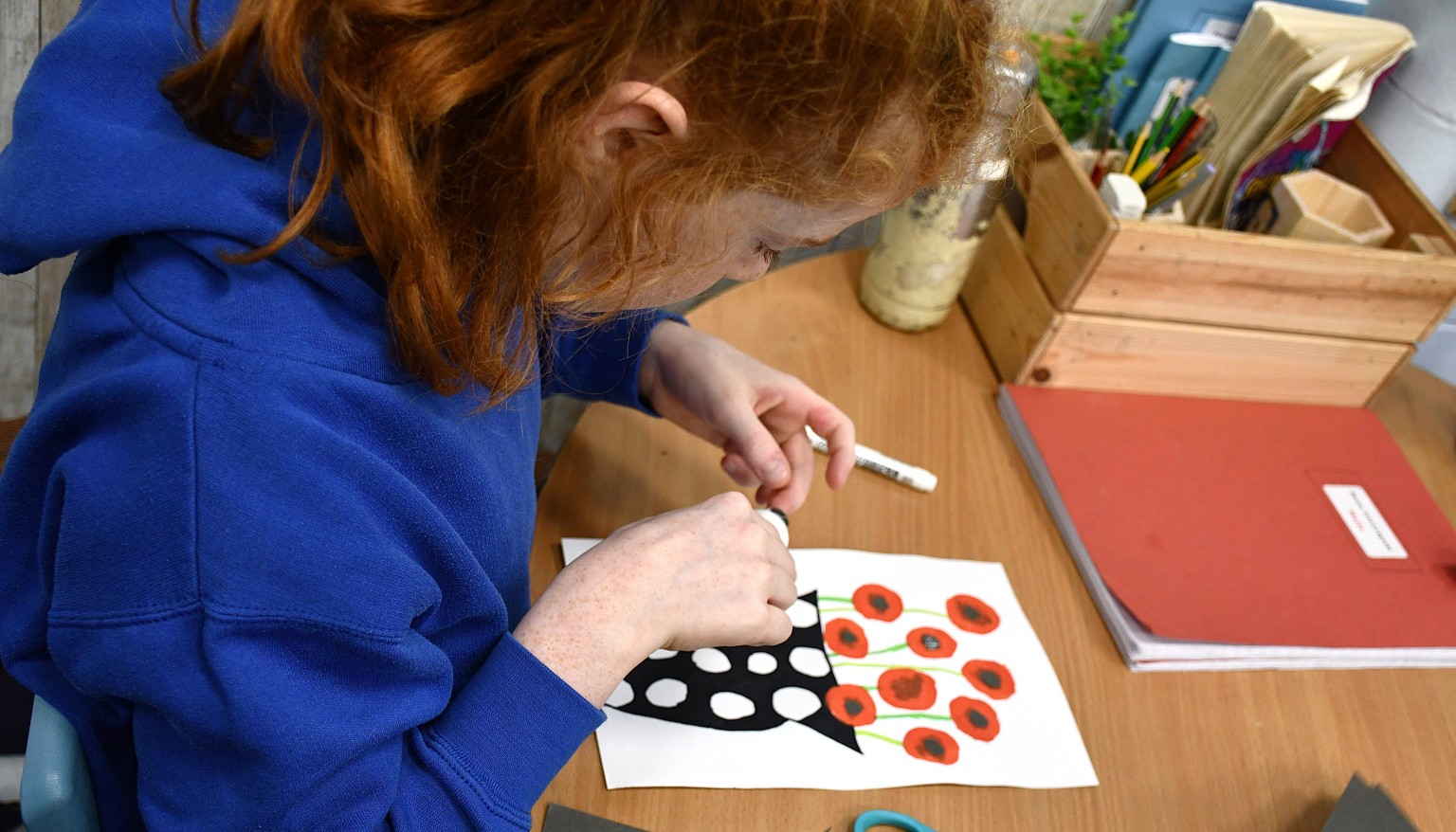
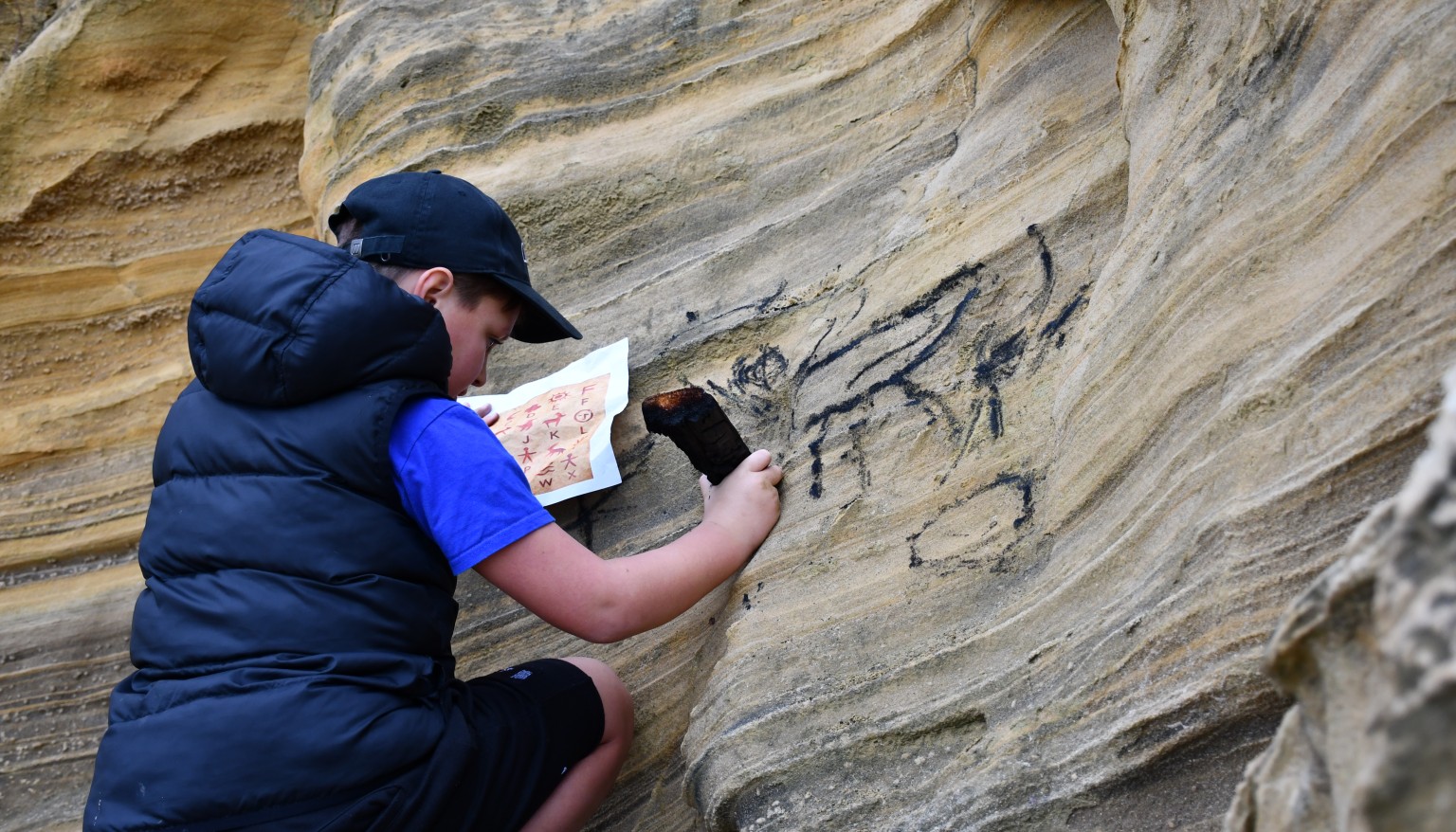
Our long term plan provides a rich and inspiring curriculum for all children from Nursery to Year 4. Our creative curriculum allows for art to be placed into context along with key events, people and places and allows them to understand the effect artwork and artists have had on historical situations. Basic skills are introduced and then built upon, including drawing, printmaking, sketchbooks, painting and making. Skills are revisited and the use of ongoing sketchbook work underpins this process. Rockcliffe First School believes in fostering an open-ended exploration of creativity. Our resources do not follow prescriptive outcomes, instead we believe the role of the teacher is to introduce key skills, materials and ideas to the pupils in such a way that each pupil can then explore his or her own creativity. By creating a safe and nurturing environment, pupils are encouraged to take creative risks and to learn from the journey, rather than head towards a pre-defined end result. The resources and experiences provided are suitable for pupils of all abilities, and enable every child to really delve into their creativity.
Impact
We measure the impact of our art curriculum with various formative methods of assessment including self and peer assessment. Children appraise and suggest constructive developments for their own work and that of their peers. Evidence of children’s work in art can be found in their ongoing sketch books as well as work displayed around school and photographs on SeeSaw. The Art Leader monitors the teaching and evidence of art through observations, planning scrutiny events and bi-annual whole school moderation. As well as assessing the skills, knowledge and understanding that children have developed in the subject, we also consider their level of enjoyment and engagement. We are passionate about delivering a high quality art curriculum to help children develop key life skills of creative and personal expression; communicating ideas; the ability to visualise and imagine; and to critically observe and interpret the visual world around them. Authentic opportunities to engage in the arts are provided through visits to museums and galleries; work with real artists and participation in community arts projects and exhibitions.